
Fire safety is a critical concern in any region and Kerala is no exception. With its unique blend of urban and rural areas, diverse climate, and dense population, ensuring that fire safety equipment is properly maintained and regularly inspected is essential. This guide will help you understand how to keep your fire safety equipment in top condition, tailored specifically for the Kerala market.
1. Understand the Local Fire Safety Regulations
Kerala has specific fire safety regulations that must be adhered to in both residential and commercial settings. Familiarize yourself with these regulations to ensure compliance and enhance safety. Key regulatory bodies include the Kerala Fire and Rescue Services and local municipal authorities.
2. Regular Inspection of Fire Extinguishers
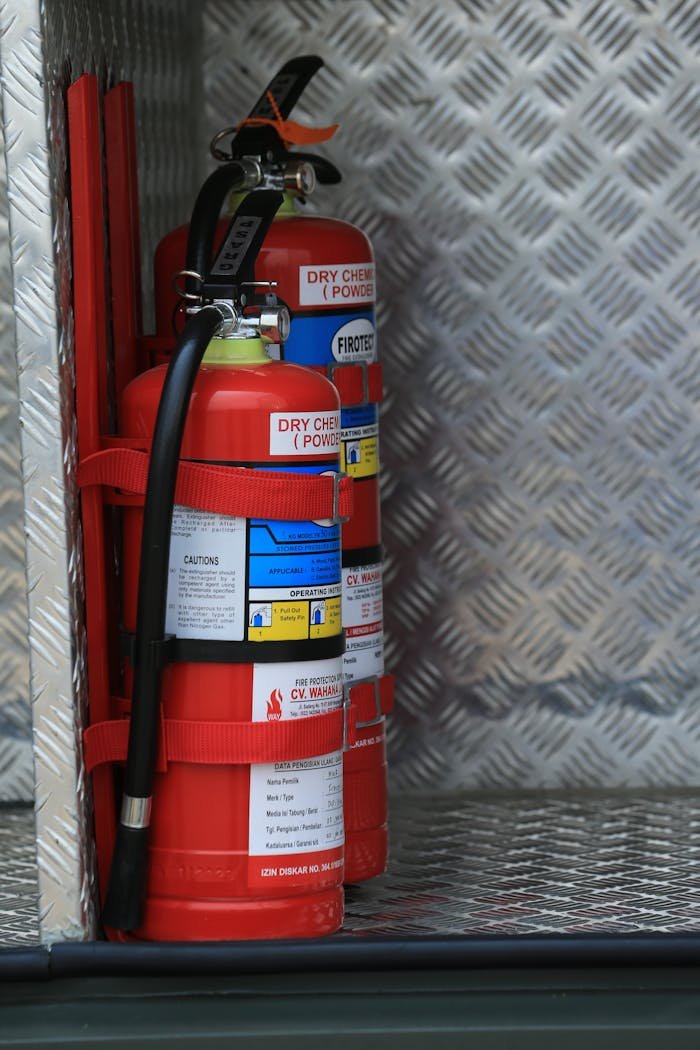
Fire extinguishers are your first line of defense against small fires. Here’s how to maintain and inspect them:
- Monthly Checks: Ensure the fire extinguisher is easily accessible and the pressure gauge is in the green zone. Check for any signs of damage, rust, or leakage.
- Annual Maintenance: Have a certified professional conduct a thorough inspection annually. This includes checking the extinguisher’s weight, pressure, and ensuring the nozzle and hose are free from obstructions.
- Hydrostatic Testing: Every five years, fire extinguishers should undergo hydrostatic testing to ensure the cylinder can withstand high pressure without bursting.
3. Maintenance of Fire Alarms and Smoke Detectors
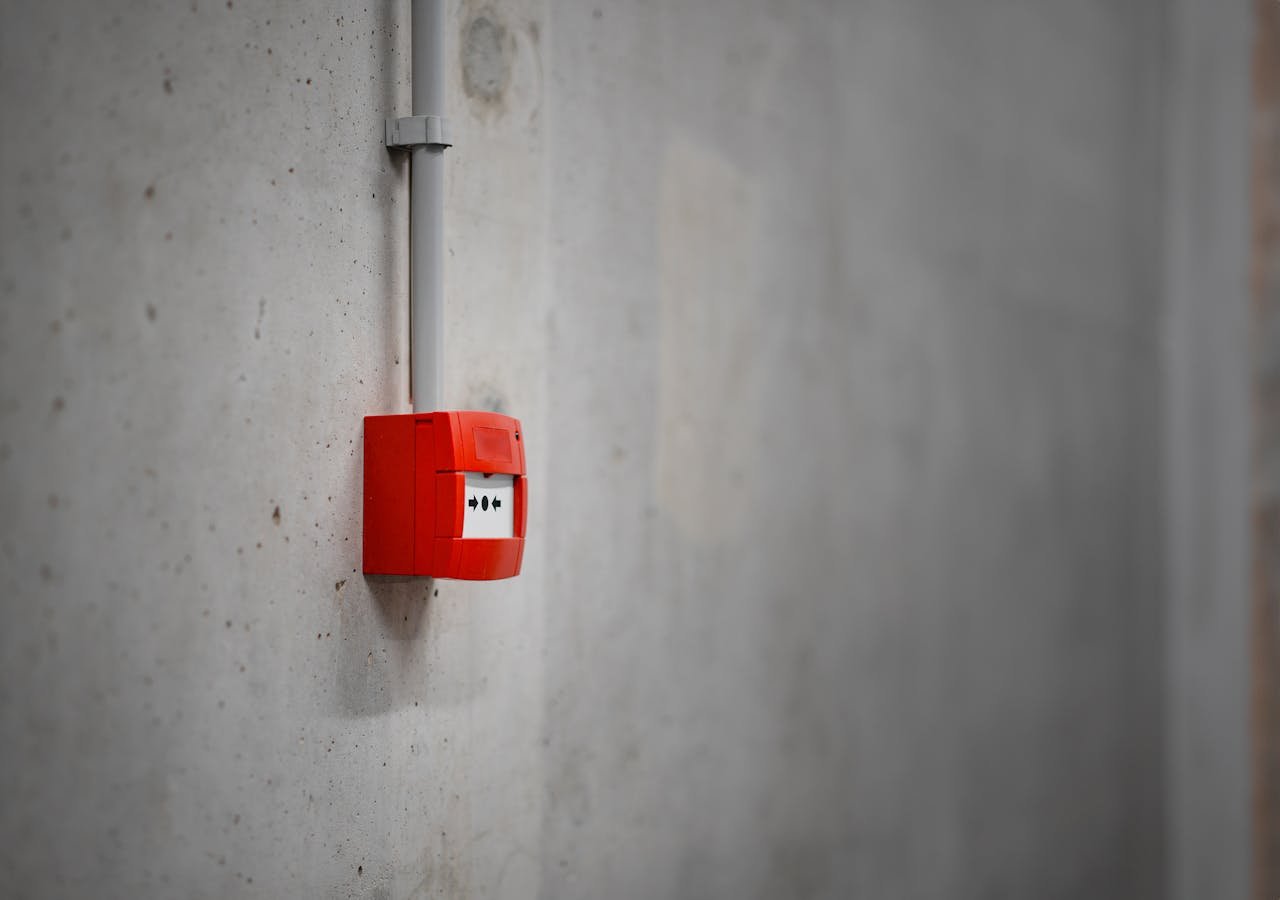
Fire alarms and smoke detectors are vital for early fire detection. Here’s how to keep them functioning effectively:
- Monthly Tests: Test alarms and detectors monthly by pressing the test button. Replace batteries at least once a year or when you hear a low-battery warning.
- Cleaning: Dust and debris can affect the performance of smoke detectors. Clean them every six months using a vacuum cleaner or a soft brush.
- Professional Servicing: Have a professional inspect and service your fire alarm system annually to ensure it’s in working order.
4. Inspection of Fire Sprinkler Systems
Fire sprinkler systems are crucial for controlling fires before they spread. Regular maintenance is necessary for their reliability:
- Monthly Visual Inspections: Check for any visible damage, corrosion, or leaks. Ensure that the sprinkler heads are not obstructed.
- Quarterly Checks: Inspect the alarm valves and test the water flow to ensure the system is operational.
- Annual Professional Inspection: A certified technician should conduct a thorough inspection annually, testing all components and ensuring compliance with local fire safety codes.
5. Checking Emergency Lighting and Exit Signs
Emergency lighting and exit signs guide people to safety during a fire:
- Monthly Tests: Ensure that all lights and signs are functioning correctly. Check for any burnt-out bulbs or damaged signs.
- Battery Check: Emergency lights usually have a battery backup. Test the battery operation every six months and replace if necessary.
- Annual Professional Inspection: Have a professional inspect and test the entire emergency lighting system annually.
6. Maintaining Fire Safety Equipment in Commercial Kitchens
In Kerala, many commercial establishments, particularly restaurants and hotels, operate kitchens that are high-risk areas for fires. Here’s how to maintain safety equipment in these settings:
- Fire Suppression Systems: Inspect and test kitchen fire suppression systems semi-annually. Ensure that the nozzles and hoses are clear of grease buildup.
- Hood and Duct Cleaning: Clean the kitchen hoods and ducts regularly to prevent grease accumulation, which can be a significant fire hazard.
- Portable Extinguishers: Ensure that Class K fire extinguishers, specifically designed for kitchen fires, are accessible and maintained.
7. Training and Awareness
Ensuring that everyone knows how to use fire safety equipment is just as important as the equipment itself:
- Regular Training: Conduct regular fire safety training for employees and residents. Include hands-on practice with fire extinguishers and evacuation drills.
- Fire Safety Drills: Organize periodic fire drills to ensure everyone knows the evacuation routes and procedures.
8. Partner with Certified Professionals
Engage certified fire safety professionals for the maintenance and inspection of your equipment. This ensures compliance with local regulations and guarantees that the equipment will function correctly in an emergency.