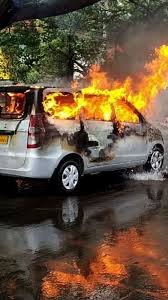

Common Reasons for Cars Catching Fire: Understanding the Risks
Car fires are a frightening and potentially devastating event. While they are relatively rare, understanding the common causes can help you prevent them and stay safe on the road. Here are some of the most frequent reasons cars catch fire and tips on how to mitigate these risks.
1. Mechanical Failures
Mechanical issues are one of the leading causes of car fires. Faulty wiring, overheating engines, and leaky fuel systems can all spark a blaze.
Prevention Tips:
- Regularly inspect your vehicle for any signs of wear and tear.
- Ensure that your car’s wiring is intact and free from corrosion.
- Keep an eye on your car’s temperature gauge and address any overheating issues promptly.
2. Electrical System Failures
The electrical system in your car is complex and if it malfunctions, it can easily start a fire. Common issues include short circuits, faulty alternators, and battery problems.
Prevention Tips:
- Have your car’s electrical system inspected by a professional regularly.
- Replace old or worn-out batteries.
- Avoid DIY electrical repairs unless you are a qualified technician.
3. Fuel System Leaks
Fuel is highly flammable, and any leaks in the fuel system can pose a significant fire risk. Leaks can occur in fuel lines, injectors, or the fuel tank itself.
Prevention Tips:
- Check for any signs of fuel leaks regularly.
- If you smell gasoline, have your car inspected immediately.
- Avoid smoking or using open flames near your vehicle.
4. Overheated Catalytic Converters
Catalytic converters can reach extremely high temperatures. If they overheat, they can ignite nearby flammable materials.
Prevention Tips:
- Ensure your car’s engine is running efficiently to prevent excessive heat.
- Keep the area around the catalytic converter clear of flammable materials.
5. Car Accidents
Severe car accidents can cause fires due to ruptured fuel tanks, damaged electrical systems, and other factors.
Prevention Tips:
- Drive safely and follow traffic rules to avoid accidents.
- Ensure your car is equipped with safety features like airbags and anti-lock brakes.
6. Improper Maintenance
Neglecting regular maintenance can lead to various issues that increase the risk of fire, such as fluid leaks, worn-out hoses, and faulty parts.
Prevention Tips:
- Follow your car’s maintenance schedule diligently.
- Address any maintenance issues promptly.
- Use high-quality replacement parts and fluids.
7. Overloaded Circuits and Overheating
Using non-standard or overloaded circuits for additional gadgets can overheat the electrical system, causing a fire.
Prevention Tips:
- Avoid overloading your car’s electrical system with aftermarket gadgets.
- Use devices and chargers that are compatible with your vehicle’s electrical system.
8. Fluid Spills
Fluids like oil, transmission fluid, and brake fluid are all flammable and can cause a fire if they come into contact with hot surfaces.
Prevention Tips:
- Clean up any fluid spills immediately.
- Ensure that all fluid caps are securely tightened.
Conclusion
While car fires are rare, they can have devastating consequences. By understanding the common causes and taking preventive measures, you can reduce the risk of your vehicle catching fire. Regular maintenance, safe driving practices and awareness are key to keeping you and your vehicle safe. Stay vigilant and ensure your car is in top condition to enjoy peace of mind on the road and more than anything is carry a car fire extinguisher portable ones fixed in cars to douse the fire in the beginning stage itself and save your car and valuable lives.